

Honed vs. Polished Marble: Which to Choose for Your Kitchen Countertop?
May 18, 2021 by Eric Presley
When looking at honed vs. polished marble in the kitchen, there are many factors to consider, from the type of stone to its finish and edging.
Marble countertops elevate interior spaces and instantly add value to any property. This natural stone has been used throughout the centuries due to its unparalleled eloquence and durable nature. Marble works well in high-traffic areas and is especially suited to bathroom and kitchen countertops.
When looking at honed vs. polished marble in the kitchen, there are many factors to consider, from the type of stone to its finish and edging. The choice of having honed or polished marble countertops can dramatically alter an interior space. Many people wonder, ‘what is the difference between honed and polished marble?’ The straightforward answer is that one is shiny, and the other is matte, but there’s more to it than that.
What Is Honed Marble?

All marble has to be polished, no matter the type of finish it has. Honed marble is grounded to a smooth, flat, consistent surface. The process usually entails chafing diamond or silicon carbide to offload scratches and accumulated soil on the stone’s surface.
Unlike polished marble, honed marble does not undergo the last stage of polishing. Instead, it is left with a non-reflective and velvety matte finish. Homeowners choose honed marble because of its natural, muted look.
What is Polished Marble?
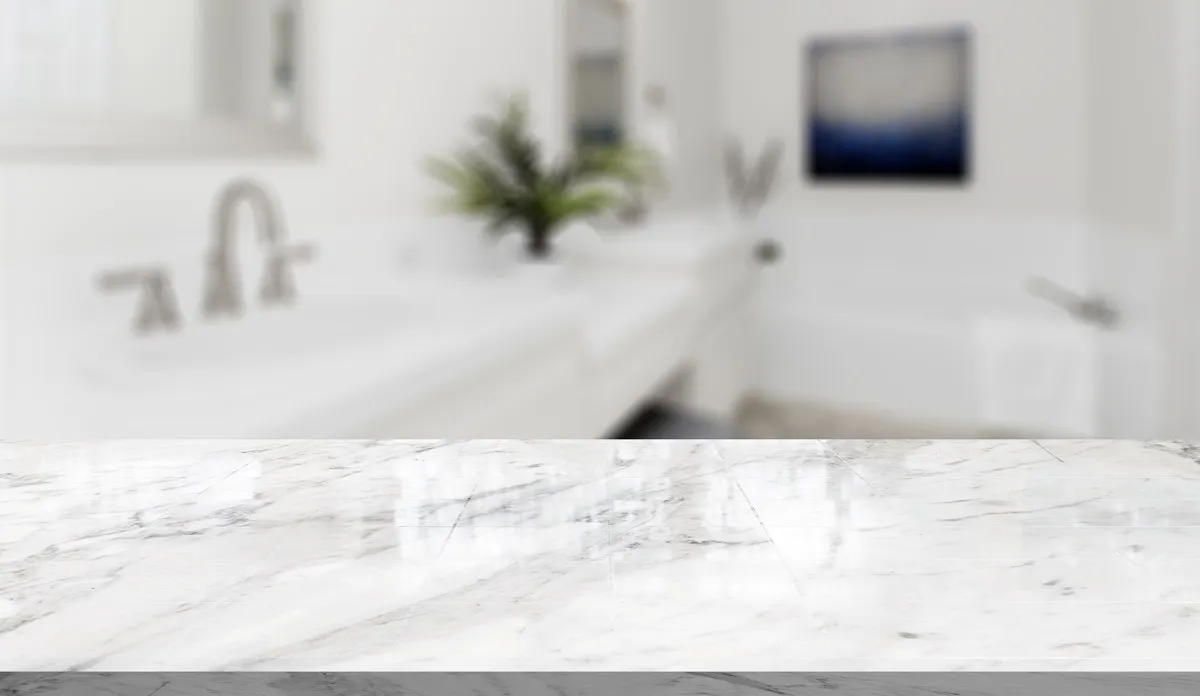
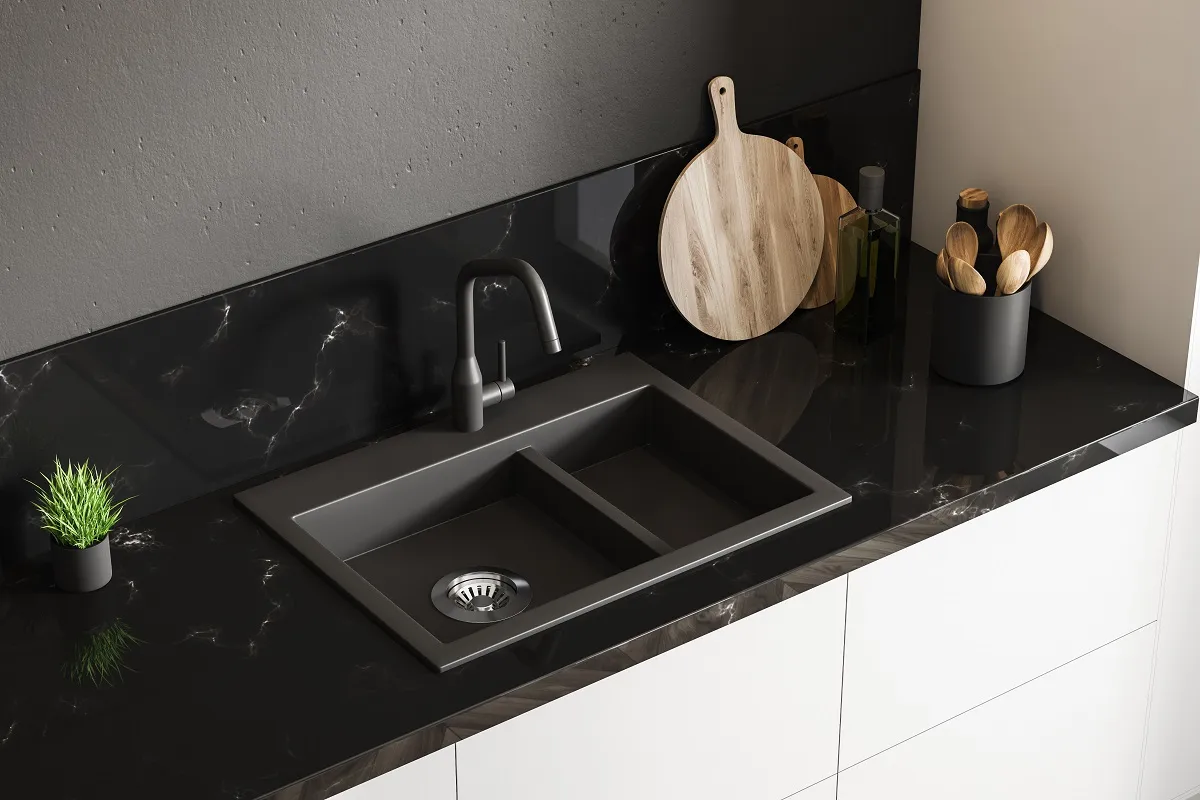
A polished marble finish is glossy and reflective and most likely the aesthetic that comes to mind when most people think about marble countertops. This finish is created by grinding down the stone’s surface using fine abrasives and then polishing it until it reaches a natural shine. It is then layered with a protective coat to provide extra shine.
This popular type of finish exudes elegance, but its highly reflective surface shows up the tiniest of scratches. It does, however, add a glamorous touch to kitchens and appears clean and dirt-free with its “mirror-like shine.”
What’s The Difference Between Honed and Polished Marble?
The difference between honed and polished marble is chiefly to do with the production process, which affects appearance, usability, and durability.
Appearance
The main difference between honed and polished marble is the shine. Honed marble has a matte finish and looks like a natural stone, close to how it appears in nature, except smoother. Honed marble will have a lighter color than polished marble of the same type.
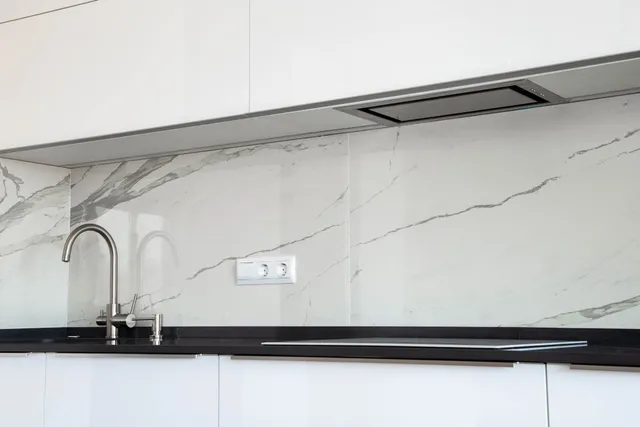
Polished marble has an immense shine that’s glossy and highly reflective. It shines due to polishing with fine abrasion that removes flaws impeding light from bouncing off its surface. Polished marble will be darker than honed marble from the same stone.
Production Process
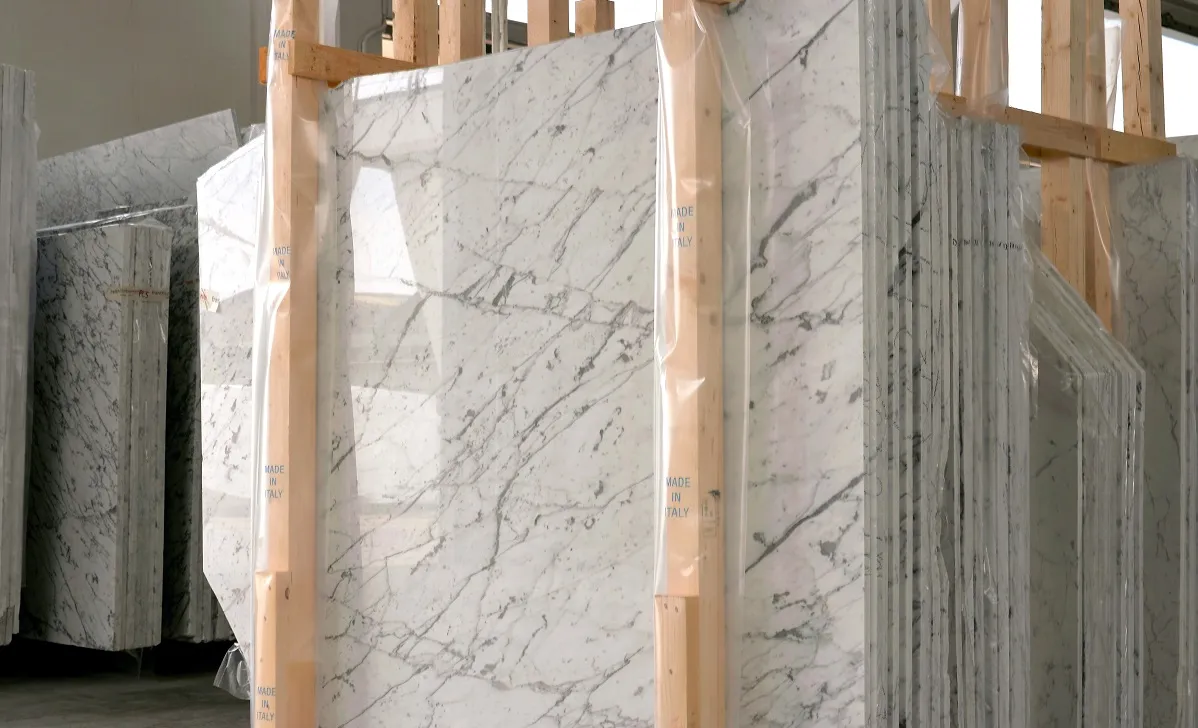
The production of honed marble vs. polished marble is similar. The difference can be equated to cutting a garden-variety rock vs. a gemstone. Polished marble is cut to facilitate shine, whereas honed marble is cut to absorb light, not reflect it.
A honed look is achieved by polishing gritty abrasives until the surface is smooth to the eye, but the stone will still have minor flaws, preventing it from shining. Polished marble is honed first but then sanded with small abrasives until surface flaws are gone and the marble is as smooth as possible.
Usability and Durability
Honed vs. polished marble in kitchens fair more or less the same when it comes to usability and durability. Marble is a tough, slightly porous stone, meaning that it will need regular maintenance and sealing regardless of whether it’s honed or polished. Marble countertops should be treated with care; this entails cleaning immediately after use and using protective surfaces when working.
| Honed vs. Polished Marble: stains, scratches, and etches | ||
|---|---|---|
| Honed Marble | Polished Marble | |
| Staining | If properly sealed, the likelihood of staining is very low. However, it's important to maintain the quality of the seal to reduce the risk of staining. | Honed marble requires more frequent sealing than polished. An adequate seal and careful maintenance reduce the likelihood of stains. |
| Scratching | Scratches are less noticeable on honed marble as its matte surface hides them better. However, the stone is not scratch-resistant and should be used with care. | Polished marble is prone to scratching. Scratches are more visible on its reflective surface and tend to dull its shine. Always work with caution. |
| Etching | Etching will occur if spills are left too long on the surface. They appear as dull marks. Always clean away spills immediately to prevent damage. | Etching is highly noticeable and leaves dull spots on its shiny surface. While slightly more resistant than a honed finished, spills should be cleaned as soon as possible. |
Visual Effects
Marble is a luxurious, eye-catching stone that looks beautiful in bathrooms and kitchens. A polished look gleams in the light and suites interior spaces that embody opulence, sophistication, and traditional designs. It bodes well in rooms that exude high-key grandeur and glamour.
Honed marble has recently become trendy and suits interiors that are paired-down, minimalist, and embody a simplistic, even somewhat industrial edge. This finish works well in textured spaces, especially if you don’t want a shiny countertop to be the accent piece in a room.
Honed vs. Polished Marble: Pros & Cons
From durability to cost, both honed and polished marble come with their unique pain and selling points.
Honed Marble Countertops Pros and Cons
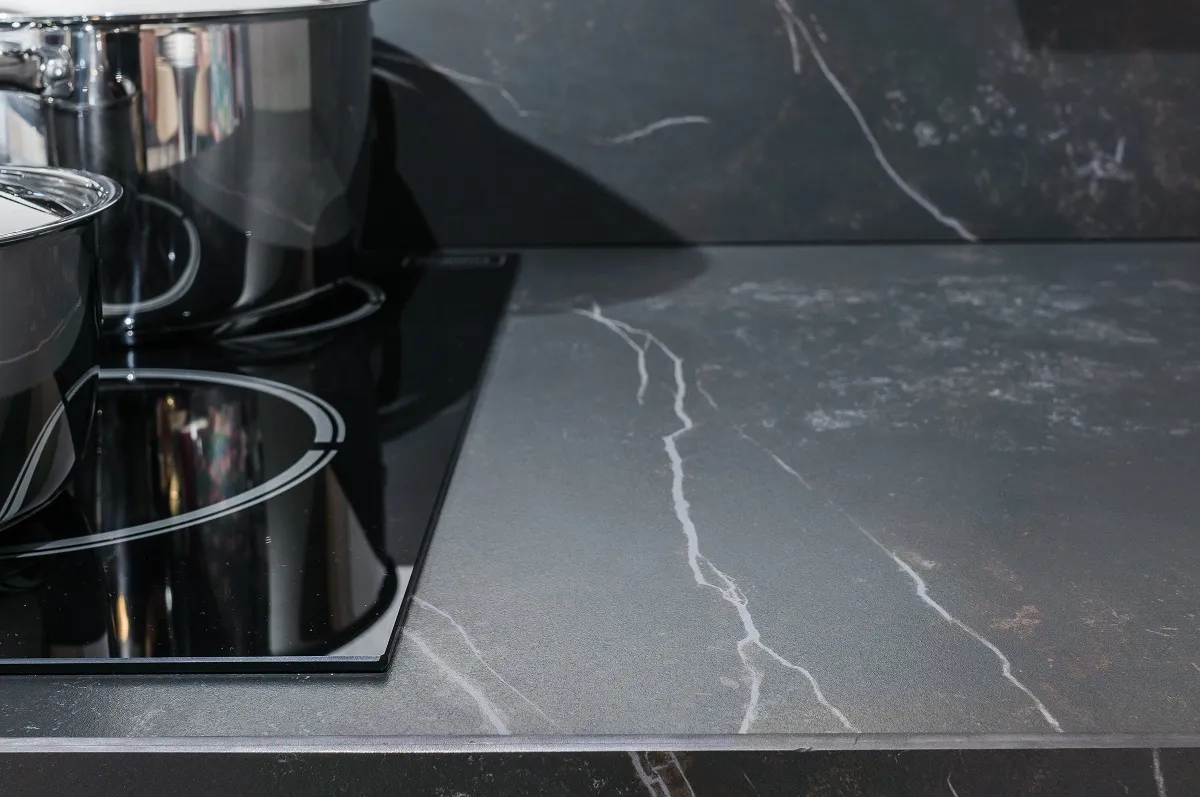
Honed marble is prone to etching but more resistant to scratching. It’s a durable stone that works well as flooring and in other heavy-traffic areas like kitchens and bathrooms. If used as a countertop, it’s recommended that cutting broads, trivets, and silicon mats are used when preparing food or working, as this will prevent scratching and another staining.
- Look: Muted, matte, and no shine.
- Feel: Smooth and velvety.
- Durability: Scratch-resistant but more prone to etching.
- Cost: Honed marble is more expensive than polished.
- Maintenance: Wipe down immediately after use with warm, soapy water. Always clean spills and maintain regular sealing.
- Ideal Use: Heavy traffic areas like countertops and floors.
Polished Marble Countertops Pros and Cons
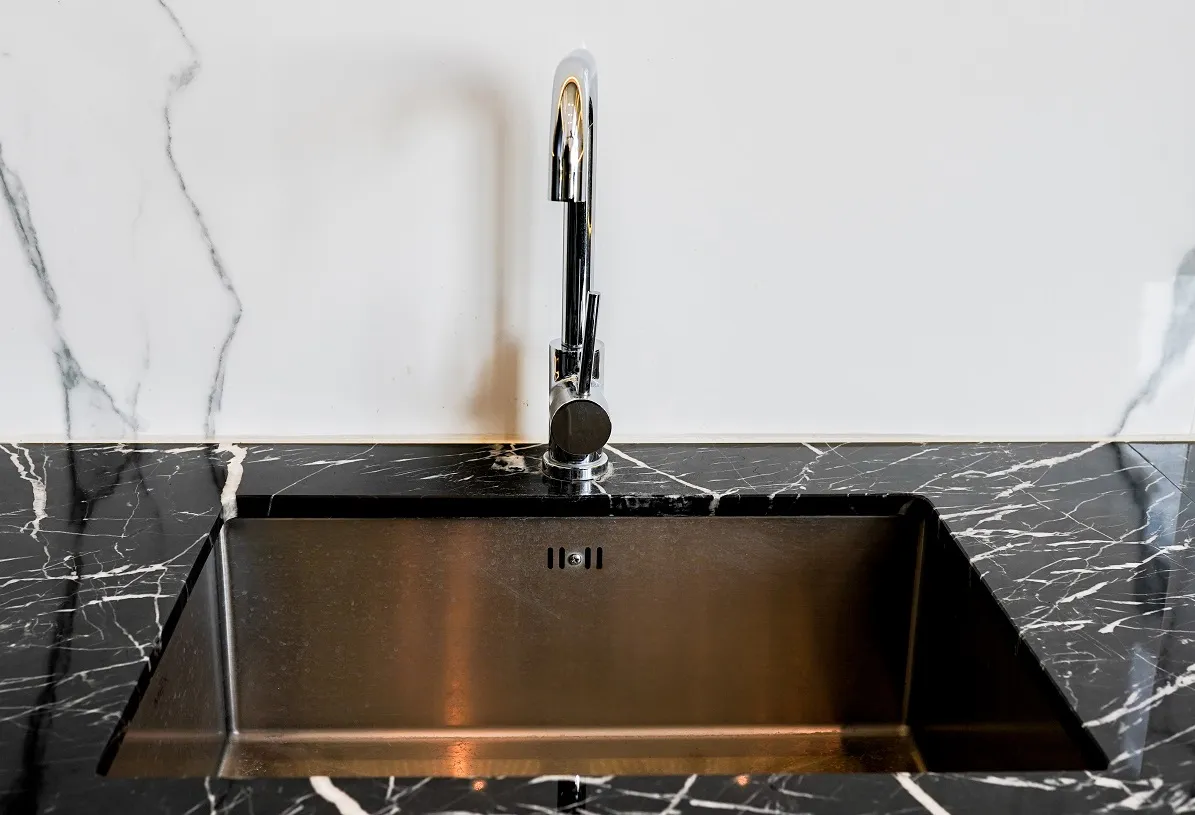
Polished marble is more resistant to etching but prone to scratching. Because of this, it is better suited as a countertop surface than flooring. Like honed marble, it’s recommended that preventative measures like trivets, coasters, mats, and boards are used when working on polished marble countertops to preserve their shine.
- Look: Very glossy with a mirror-like shine.
- Feel: Smooth.
- Durability: Etch-resistant but scratches easily.
- Cost: Cheaper than honed marble is at is more commonly requested.
- Maintenance: Wipe down immediately after use with warm and soapy water. Always clean spills immediately and maintain regular sealing.
- Ideal Use: Kitchen and bathroom countertops, fireplaces, and backsplashes.
How Do You Know if Honed or Polished is Better for Your Home?
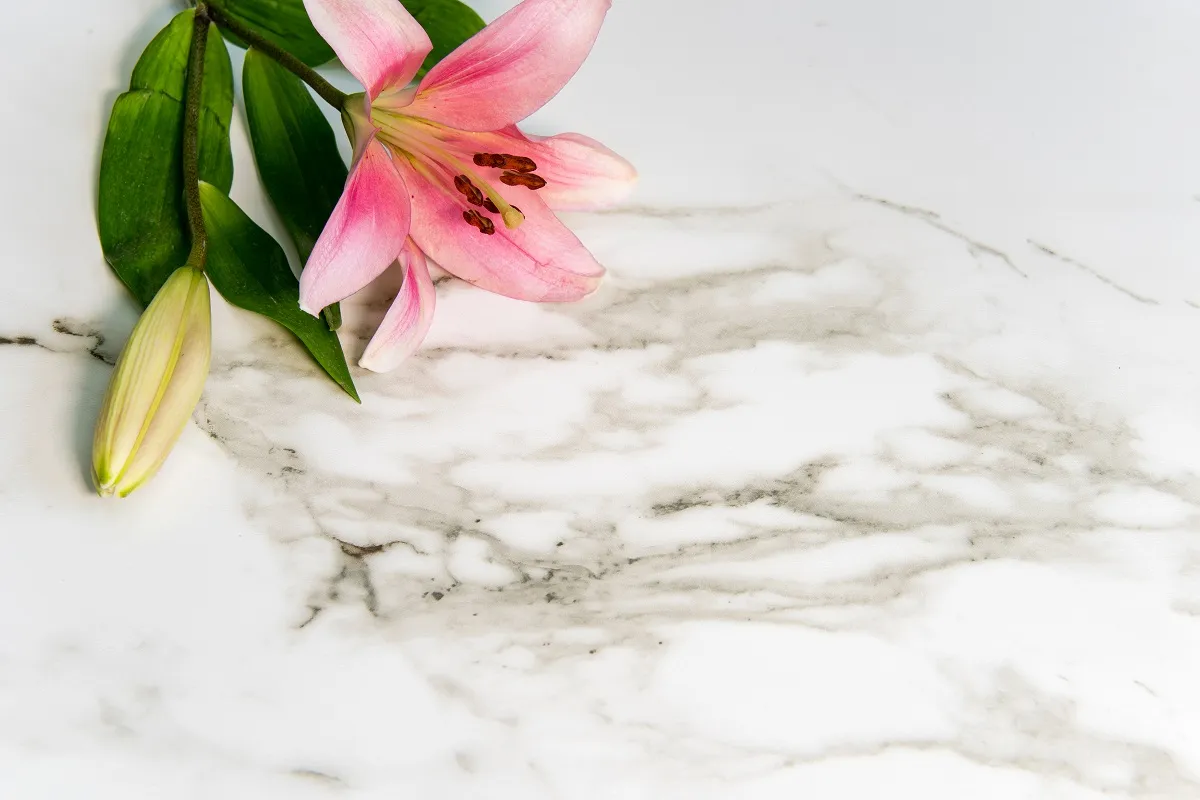
Whether honed vs. polished marble countertops are better for you depends entirely on your lifestyle and interior design preferences.
| Honed Marble | Polished Marble | |
|---|---|---|
| Appearance | Muted | Shiny |
| Vein Visibility | Less | More |
| Production Process | Chafing diamond particles or silicon carbide | Polished with special fine diamond pads after honing |
| Suitable for floors | Yes | No, it’s too slippery |
| Suitable for countertops | Yes | Yes |
| Scratches | Disguise scratches well | Highlights scratches |
| Stains | Less protected | More protected due to an extra layer of polish to assist with shine |
| Possible to change | Yes, it can be polished | Yes, it can be honed |
Conclusion
So, is honed or polished marble better? Is honed marble more expensive than polished? The truth is it depends on the size of the counter and individual taste and lifestyle. One finish isn’t superior to the other. While honed marble tends to be pricier, this needn’t always be the case as the smaller surface area of more expensive polished marble could work out to be just as or even more expensive.
This is why our expert team at Pro Stone Countertops is always ready to help you make the most informed decision, especially when it comes to investing in kitchen and bathroom countertops. We have over 40 different marble stones to choose from and are experienced at countertop designing and fabrication. Call us today at (901) 662-895-4795 or get a free quote here.